
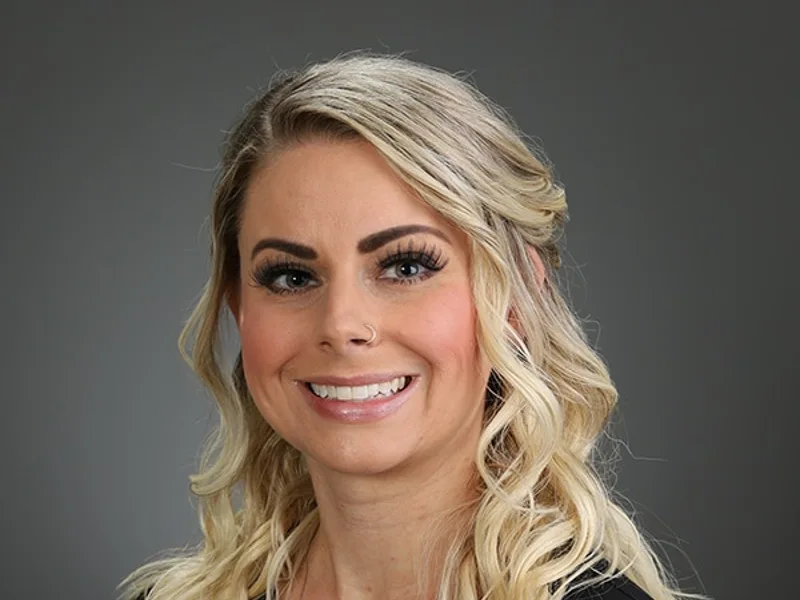
Ashley Cavers-Paproski

À propos de Ashley
Dans ses mots###Mental Health Therapist (MHT)
This designation is NOT covered under ANY insurance plans.
#####I work with adults and youth aged 13 and up.
I’ve been working as a social worker for over 15 years, with the majority of my experience focused on supporting adults, children, youth, and families within the context of child intervention. Throughout this work, I’ve come to deeply understand how adverse childhood experiences can profoundly impact a person’s psychological and physical well-being over time.
These insights and experiences continue to shape my approach as a therapist, allowing me to provide compassionate, informed support to my clients. Challenges such as abuse, neglect, mental illness, addiction, loss, grief, violence, and intergenerational trauma can create toxic stress in the body—an overactivation of the stress-response system that can result in lasting effects on both the brain and body.
#####I’m passionate about supporting children, youth, and adults through a trauma-informed approach.
Trauma can show up in many different ways—such as hypervigilance, difficulties with relationships and attachment, low self-esteem, lack of trust, trouble opening up to others, and dissociation. It often shifts a person’s worldview, leading to avoidance of certain people or places, and ultimately, isolation. There is no single event that can fully capture what causes trauma. Each individual’s experience, perception, and the impact of the traumatic event(s) are deeply personal and unique.
#####I believe that every person is a valued and inclusive member of society, and as a counsellor, it is essential to empower individuals to reach their full potential.
Navigating the justice system, collaborating with agency partners, and advocating for individuals can be daunting without proper support. Larger systems have historically marginalized certain populations, creating power and privilege imbalances within social groups. Anti-oppressive practice is a broad approach that focuses on addressing these power disparities by equipping individuals with the tools to better understand how power and privilege function at various levels within society. I resonate with the belief that the development and implementation of programs and practices can positively shift societal dynamics, ultimately reducing oppression.
#####I value a holistic counselling approach because it treats the individual as a whole, fostering compassion and a non-judgmental environment, rather than simply addressing specific issues and symptoms.
The integrative approach of holistic counselling recognizes the interconnectedness of a person’s physical, emotional, mental, and spiritual well-being. It encourages self-awareness and self-empowerment by exploring various aspects of a person’s life, helping them gain a deeper understanding of themselves and their place in the world. Through my professional experiences, I’ve observed that increased self-awareness enables individuals to cultivate a stronger sense of purpose and fulfillment. This awareness empowers them to make informed decisions, establish healthy boundaries, and build more meaningful relationships. By addressing these aspects, holistic counselling can reduce stress, anxiety, and depression, ultimately improving one’s overall quality of life. Additionally, holistic counselling can have a lasting positive impact, as it equips individuals with strategies—such as mindfulness, stress management techniques, effective communication, and self-care routines—that can be applied across various areas of their lives.
#####I have a deep fascination with body-centered therapies, such as somatic experience, which focus on releasing stored tension and trauma from the body.
Somatic techniques, including breathwork, movement, and body awareness exercises, help explore and heal emotional wounds stored in the body.
#####I use a humanistic therapy approach that emphasizes authenticity, openness, and genuineness, along with active listening and unconditional positive regard, to foster self-awareness, self-worth, and personal growth in all individuals.
The types of humanistic therapy I focus on are client-centered therapy and existential therapy. The client-centered approach encourages individuals to reflect on and clarify their thoughts, allowing them to better understand themselves and, in turn, shift their thoughts, feelings, and beliefs. On the other hand, existential therapy delves into a person’s search for meaning in life, particularly in the face of uncertainty, conflict, loss, and grief. The goal is to help individuals recognize their ability to direct their behavior positively and achieve their desired goals.
Having experienced my own trauma, I’ve become deeply interested in understanding its long-term impact and discovering ways to promote lifelong healing. This personal journey led me into the field of social work and continues to inspire my path toward becoming a provisional psychologist.
#####I believe that active listening is a crucial skill in all counselling sessions, as it demonstrates empathy and provides the opportunity to build a strong therapeutic alliance.
Every person wants to be heard and understood, as it provides validation, encourages reflection, and creates an opportunity for change. I feel privileged to be part of someone’s journey as they share their story, and I deeply respect the vulnerability it takes to do so. Above all, I strive to embody authenticity, compassion, transparency, and empowerment, helping individuals develop the skills they need to continue growing and thriving.
####Educational Background
- Master of Arts in Counselling Psychology (MACP) - Yorkville University
- Bachelor of Social Work (BSW) - University of Calgary
- Social Work Diploma - MacEwan University
####Presenting Concerns
- Abandonment
- Abortion
- Abuse/Survivors of Abuse
- Academic Concerns
- Addictions and Compulsions
- Adjusting to Change
- Adolescent Issues
- Adoption/Foster Care
- Aggression and Violence
- Anxiety
- Attachment Issues
- Bipolar
- Blended Family
- Body Image
- Breakup
- Bullying
- Career Counselling
- Caregiver Issues/Stress
- Child/Adolescent
- Codependency
- Commitment Issues
- Communication
- Complex Posttraumatic Stress (C-PTSD)
- Connection
- Control Issues
- Coping
- Dependency Concerns
- Depression
- Diet Culture
- Discrimination
- Divorce/Divorce Adjustment
- Domestic Violence
- Dysregulation
- Eating and Food Issues
- Emotional Abuse
- Emotional Regulation
- Exercise
- Family Problems
- Family of Origin Issues
- Fatigue
- Fear
- Fertility Issues
- First Responder
- Forgiveness
- Grief, Loss, and Bereavement
- Guilt
- Health/Illness/Medical Issues
- Helplessness
- Identity
- Illness
- Impulsivity
- Inadequacy
- Infidelity/Affair Recovery
- Internet Addiction
- Intimacy
- Irritability
- Isolation
- Jealousy
- 2SLGBTQIA+ Identities
- Life Purpose
- Life Challenges/Transitions
- Midlife Crisis
- Money and Financial Issues
- Mood Swings
- Narcissism
- Neglect
- Panic and Panic Attacks
- Parenting
- Perfectionism
- Personal Development
- Physical Abuse
- Postpartum Depression
- Posttraumatic Stress (PTSD)
- Power/Control
- Pregnancy and Childbirth
- Pregnancy Loss
- Prenatal or Postnatal Anxiety, Depression, Trauma
- Prejudice/Discrimination
- Rejection
- Seasonal Depression
- Self-Actualization
- Self-Care
- Self-Compassion
- Self-Criticism
- Self-Doubt
- Self-Esteem
- Self-Harm
- Self-Love
- Self-Worth
- Sensitivity to Criticism
- Separation
- Sexuality
- Sexual Assault/Abuse
- Sexual Orientation
- Shame
- Sibling Challenges
- Social Anxiety/Phobia
- Spirituality
- Stress
- Substance Use and
- Suicide/Suicidal Ideation
- Teenage Issues
- Trauma
- Trust Issues
- Values Clarification
- Women's Issues
- Workplace Issues
- Worry
- Worthlessness
- Young Adult Issues
####Approaches Used
- Acceptance and Commitment Therapy (ACT)
- Attachment Based
- Cognitive Behavioural Therapy (CBT)
- Dialectical Behavioural Therapy (DBT)
- Emotionally Focussed Therapy (EFT)
- Emotional Freedom Technique
- Gestalt Therapy
- Humanistic
- Mindfulness
- Narrative Therapy
- Person Centered Therapy
- Psychodynamic Therapy
- Somatic Experiencing
- Trauma Informed
####Additional Skills/Training
- Working with Indigenous Families and Communities
- Client and Family Centred Practice
- Non-Violent Crisis Training
- Mental Health First Aid
- Suicide Intervention Skills
- Family Violence
- Boundaries, Ethics, and Critical Thinking
- Core Story of Brain Development
- Sexual and Gender Diversity
Services & prices
10 options réparties sur 5 traitementsSe connecter pour voir ce que vous coûterait une visite
ADULT First SessionNew patient
« This session is for NEW CLIENTS.
Session includes 50 minutes of direct counselling and 10 minutes of indirect therapy time (e.g. notes, resources, research). »2 optionsADULT SessionFollow-up
« This session is for RETURNING CLIENTS.
NEW CLIENTS please book a FIRST SESSION to start.
Session includes 50 minutes of direct counselling and 10 minutes of indirect therapy time (e.g. notes, resources, research). »2 optionsINTRODUCTION MeetingNew patient
« Please contact to book. »2 optionsYOUTH First SessionNew patient
« This session is for NEW CLIENTS.
Session includes 50 minutes of direct counselling and 10 minutes of indirect therapy time (e.g. notes, resources, research). »2 optionsYOUTH SessionFollow-up
« This session is for RETURNING CLIENTS.
NEW CLIENTS please book a FIRST SESSION to start.
Session includes 50 minutes of direct counselling and 10 minutes of indirect therapy time (e.g. notes, resources, research). »2 optionsDisponibilités : vérifié il y a 1 h
Réserver avec Ashley
Ailio ne vous facture jamais de frais de réservation.
15 sept. 1 disponibilité
1 disponibilité le 15 sept. · 1 dans les jours à venir
1 disponibilité le 15 sept. · 1 dans les jours à venir
Evening
Choisissez une heure ci-dessus
Aucun compte requis pour voir comment réserver cette plage.
Plus que 2 disponibilités à venirMe prévenir
Vous préférez le site de la clinique ? onyxtherapy.janeapp.com

Onyx Counselling and Psychology
Voir la cliniqueOpen today until 8:00 PM
Facturation directe — non publiée
L’avis de facturation de cette clinique ne nomme personne qu’elle facture directement.