About Hyun
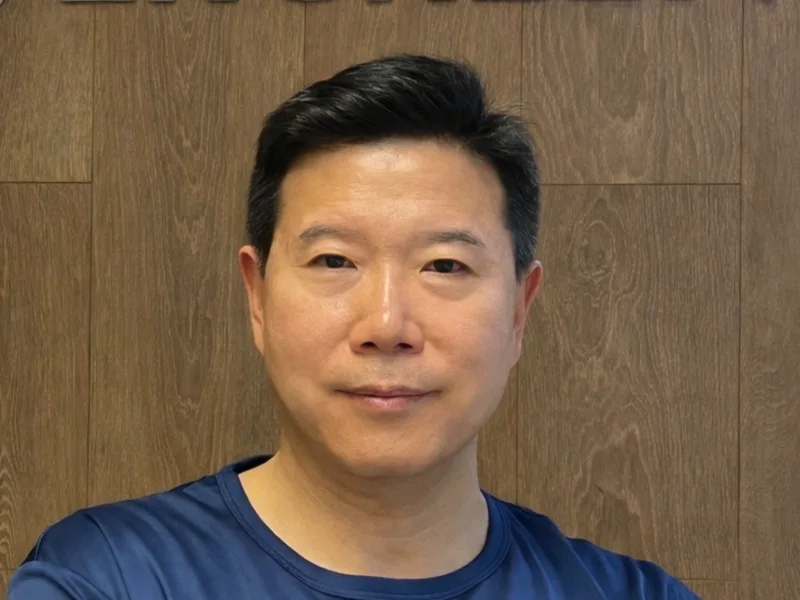
#John Kim
John Kim completed the RMT program at VCC and is a BC Licensed RMT. He focuses on helping clients improve their physical health, reduce stress, and alleviate pain through therapeutic touch. He uses various techniques, such as Swedish massage, deep tissue, and trigger point therapy, to promote relaxation, muscle recovery, and overall well-being. His treatments aim to enhance circulation, relieve tension, and support the body’s natural healing processes.
His specialties are Neurological Massage Techniques, focused on stimulating or calming the nervous system to improve function, reduce pain, and promote relaxation. These techniques can be beneficial for conditions such as neuropathy, nerve impingements, and muscular massage techniques, which focus on relieving tension, improving circulation, and enhancing muscle function. These techniques are essential for addressing muscle pain, tightness, and recovery from injuries.
Key Neurological Massage Techniques:
1. Craniosacral Therapy – Uses light touch to
release tension in the craniosacral system.
2. Myofascial Release – Targets fascial restrictions
that may contribute to nerve compression.
3. PNF Stretching - Uses active muscle contractions
and stretching to enhance neuromuscular control.
4. Reflexology – Stimulates nerve endings in
the feet, hands, or ears to send signals through the nervous system.
5. Neuromuscular Therapy – Addresses trigger points, ischemia, nerve compression, and postural imbalances.
6. Vagus Nerve Stimulation Massage – Focuses on areas like the neck, jaw, and abdomen to stimulate the Vagus nerve.
7. Swedish Massage with Neurological Focus.
8. Joint Mobilization & Nerve Gliding – Mobilizes joints and encourages nerve movement to relieve entrapment issues.
Key Muscular Massage Techniques:
1. Deep Tissue Massage – Uses slow, deep strokes
to target deeper muscle layers.
2. Myofascial Release (MFR) – Involves gentle, sustained pressure to release fascial restrictions.
3. Trigger Point Therapy – Focuses on releasing tight knots (trigger points) in muscles.
4. Sports Massage – Combines various techniques to prepare muscles for activity and aid recovery.
5. Neuromuscular Therapy (NMT) – Targets specific
muscle dysfunctions, nerve compression, and ischemic areas.
6. Active Release Techniques (ART) – Involves movement while applying pressure to break up adhesions.
7. Cross-Fiber Friction Massage – Uses deep friction across muscle fibers to break up scar tissue.
8. Percussive Therapy (Tapotement) – Involves rhythmic tapping, cupping, or hacking to stimulate circulation.
The final purpose of John’s treatment is to help your body return to its natural balance (homeostasis), with your full energy restored.
Choisissez un service, puis une durée et un mode — les heures à droite suivent votre choix.