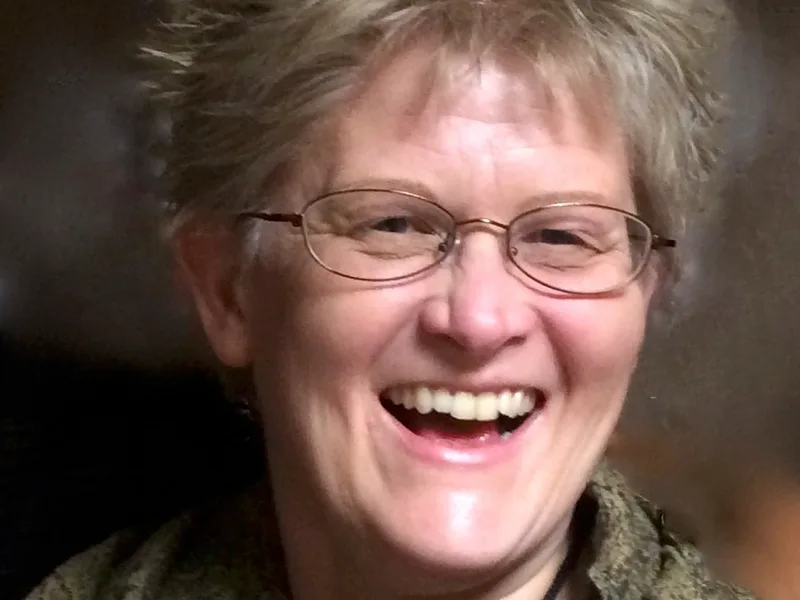
I work with individuals, couples, and families to help people overcome a wide range of challenges. I specialize in helping clients work through anxiety, trauma, abuse, PTSD, communication issues, personal development, parent-child relational issues, infant-preschool mental health, child development, addictions and aging, I am a court recognized expert in counseling psychology, infant-preschool mental health, general assessment, and parenting/custody assessment. I have been an invited guest speaker on the radio regarding trauma and trauma therapy, early child development, and parenting-attachment.
I am a Certified EMDR Therapist. EMDR is the recommend treatment approach for trauma. I have completed advanced training in Emotionally Focused Therapy and am currently completing the supervision required for Certification in Emotionally Focused Therapy. Emotionally Focused Therapy is the gold standard for couples counselling work. I have advanced training in Modified Interactive Guidance, and Motivational Interviewing (evidence based approaches for treating trauma, non-secure attachment, and additions respectively). My foundation training is in structural-experiential approaches, which means I am comfortable working with events as they are brought into or arise in session.
I became a Registered Psychologist in 2001. I have a Masters in Marriage and Family Therapy through Loma Linda University in California. I am member in good standing with the Alberta College of Psychologists, the Psychology Association of Alberta, and the Alberta Association for Infant Mental Health. I am a recognized clinical supervisor for master students, provisional psychologists, and has served as a practice mentor for adult and child psychiatrists completing their residencies.
I have provided service to community members in home and school settings, private practice, employee assistance programs, community mental health offices, hospitals, and on First Nations reserves. In the past, I have run therapeutic groups on a variety of mental health topics. I continue to provide presentations and consults to various government and not-for profit mental health agencies.
I have long worked with co-therapy dogs in clinical practice. I find that therapy dogs add a supportive element to the clinical experience, and for some clients provide a significant amount of healing. My therapy dogs typically compete in conformation and performance events when not working in the therapy office or supervising home-life activities.
My current therapy dog, Nisse, is a tricolour corgi. She looks somewhat like an 11 inch tall German Shepherd, but she is a Pembroke Welsh Corgi – the same kind of dog as the Queen of England has. Her grandmother and her mother both met Queen Elizabeth. The Queen asked to meet them because of the therapy work her family of corgis have done. Nisse is a calm corgi. She rarely barks. Sometimes she yodels. Mostly Nisse likes to curl up at people’s feet, or better yet on their laps and given them corgi hugs. Nisse is a trained therapy dog. When she is not working as a therapy dog she competes in obedience trials and keeps her owner in good order.