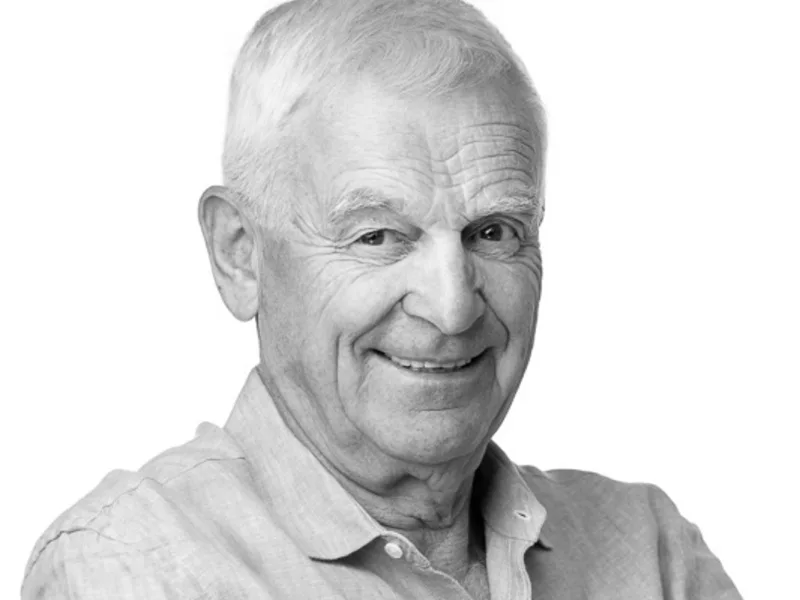
As psychologist and counsellor, I am interested in helping you develop a quality life full of joy and happiness. But living a “good life”, what does that look like, what does it feel like?
As a counsellor, I know that many people are not experiencing a personal sense of well-being and are living lives of quiet desperation. Apparently, it is not so easy to live a good life.
When I work with the courageous people who have decided to confront their struggles and come for counselling, I ask them before each session to give me a measure of their personal well-being, their relationship well-being, the well-being of their work and social life. While these measurements are obviously subjective and they vary a bit over time, for the most part as we work together, there is an upward trend in the level of personal and relationship satisfaction.
Some of us are fortunate enough to come from and live in circumstances that are more supportive of living a good life but even there, even if we are not aware of it, we are using a set of skills that build personal, relationship and social well being. The development of that skill set started in our childhood and will continue to be on the agenda until we die because being a human person means to continually develop. We are developmental beings and that takes work and awareness. So in living the good life our task is not so much to seek happiness but to seek and find all the barriers that we have built against it and to develop the skills that support personal, relationship and social well-being.
Counselling is a good way to focus on the state of our well-being in the major areas of our life and recommit to correct the deficiencies that stand in the way. In this way we can help you make the choices and develop the skills to live a good life.
If you find yourself dissatisfied with the quality of your life consider giving the counsellors at Vivid Psychology a call.
Often treats
AddictionAlcohol AbuseAngerAnger ManagementAnxietyCodependencyDepressionDomestic Abuse or ViolenceDrug Abuse+10 moreShow fewerDual DiagnosisGrief, loss, bereavementInfidelityMood disordersRelationship IssuesSexual AddictionSpiritualityStressSubstance AbuseSubstance Use